This post may contain affiliate links. As an Amazon Associate, I earn from qualifying purchases. If you buy something through one of these links, I may earn a small commission at no extra cost to you. I only share products I use or genuinely recommend. Thank you for supporting my blog!
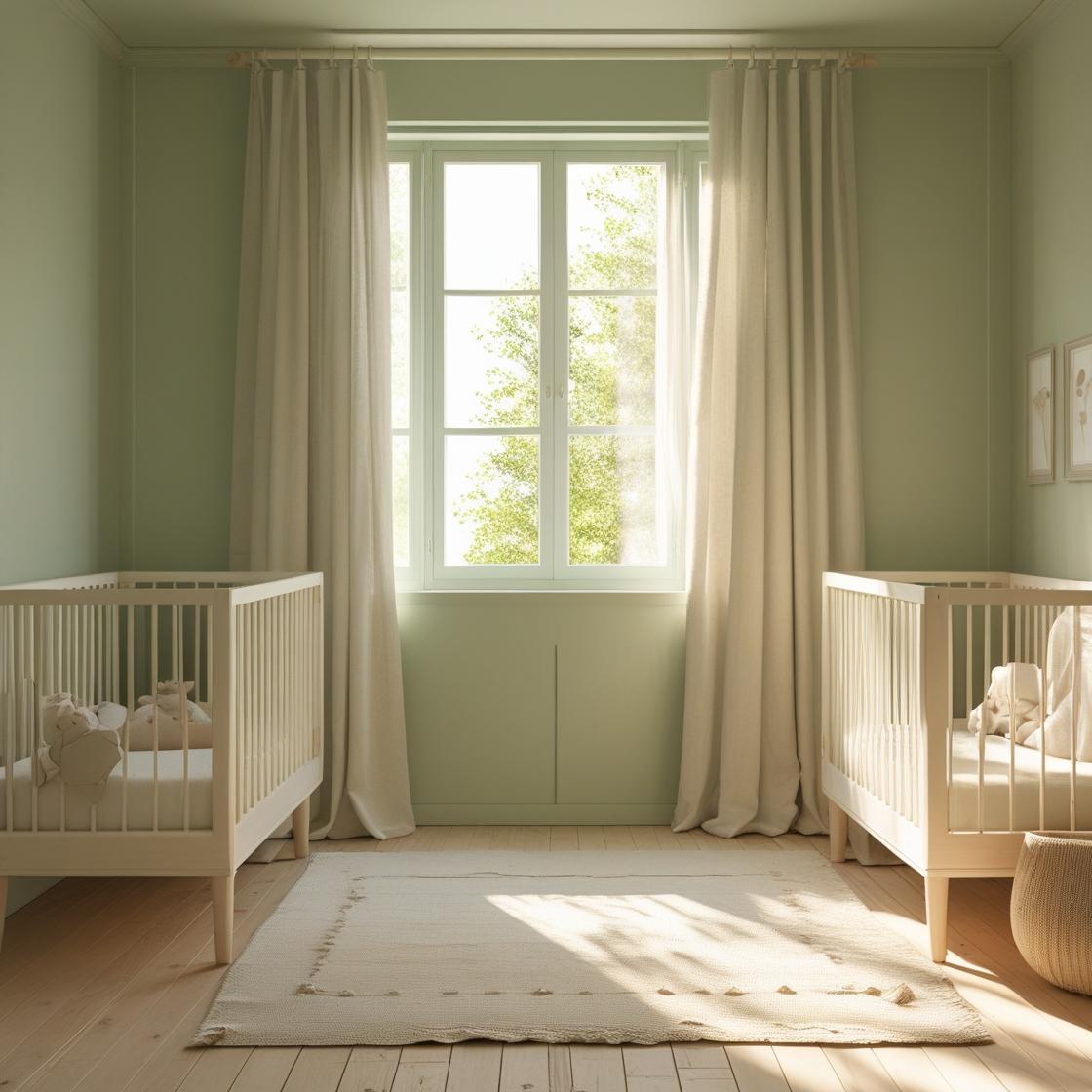
I read the books. I painted the room. I assembled the cribs, organized the drawers, and prepped myself for motherhood like I was training for a marathon.
Then I gave birth to my twin girls, vaginally, and everything I thought I knew cracked open. I had a fourth-degree episiotomy. My doctor discussed things like fecal incontinence and long-term recovery, most of which I probably blocked out to survive.
But I brought my babies home. And I tried to create the best life I could. I breastfed. I pumped. I made my own baby wipes and lotions. I cooked from scratch. And yes, I also sleep trained.
The Hardest Part Was Letting Them Cry
My body couldn’t handle long periods of holding two babies. My mind was overwhelmed and under-supported. I was physically broken and emotionally fraying, but sleep training seemed like one of the few tools I could try to regain some control.
Until I tried it.
The first time I laid my girls down and heard them cry, it felt like time stopped. Minutes felt like hours. I doubted myself. I hated myself. But I also couldn’t physically do much more. I was alone, my husband only had two days off work, and family help had already gone home.
Eventually, I found a rhythm. One of the twins usually cried for about 20–30 minutes before settling down. The other (we’ll call her Twin A) took a bit longer, around 30–40 minutes. I learned to listen closely, set a timer, and trust my gut.
I wasn’t letting them cry endlessly. I wasn’t ignoring them. I was watching the monitor, counting the minutes, and learning what each cry meant. I could tell when something was off. Once, Twin B had her arm stuck between the crib rails. Another time, Twin A had a dirty diaper and was crying in a different tone. I knew immediately.
Eventually, both girls were sleeping 8 hours straight by 8–9 weeks and 12 hours a night by around 12–14 weeks.
What Sleep Training Really Taught Me
Sleep training didn’t just help them sleep, it helped me understand who I was becoming as a mom.
I realized my limits. I learned what kind of parent I wanted to be. I learned my daughters’ different needs and cries. I started to recognize the difference between soothing and suffering.
There were moments I’ll never forget: when one twin woke up early and I got one-on-one cuddle time. Or the naps when one refused to sleep and I held her close while the other napped peacefully in her crib.
I still cherish those pockets of connection. I still believe sleep training gave me more of those moments — because I wasn’t drowning in chaos 24/7.
For those curious: I used a video baby monitor, which helped me feel confident while sleep training. If you’re considering this approach, try this Baby Monitor with 2 Cameras and Audio
The Judgment Hit Me Later
By the time my son was born a few years later, I had heard it all:
- “Sleep training is cruel.”
- “You’re ignoring their emotional needs.”
- “Babies are supposed to be held.”
I didn’t feel like a cruel mom. I felt like a mom doing what I could to survive; and in hindsight, I now know I was battling severe postpartum depression after my twins’ birth. I didn’t get help at the time, but I’m lucky to be alive.
When my son was born, I gave myself more grace. I breastfed but also bought formula cans. I sleep trained again, but I gave myself a 15–20-minute crying window. He never slept quite as long as the girls, but he didn’t need as much sleep either. I adapted. I grew.
And I finally got help, because just one month after my son was born, my mom was diagnosed with pancreatic cancer. She passed away that same August. I was postpartum, grieving, and stretched thin again, but this time I had tools, boundaries, and support.
The Truth About Sleep Training and the “Mommy Wars”
Sleep training doesn’t make someone a bad mom. And not sleep training doesn’t make someone a better one.
What it can do is give you insight into your own needs, your children’s unique personalities, and how your mental health affects your parenting. It showed me how loud the “mommy wars” can be; and how fast people are to shame each other for doing what works in their own home.
Sleep training didn’t just help my twins sleep. It helped me survive. And it helped me see the kind of mom I was and still am.
If you’re in the thick of it, just know: You’re not alone. I’m cheering for you. And if you’ve been through sleep training yourself, whether you felt guilt, relief, or both; I’d love to hear your story in the comments.

